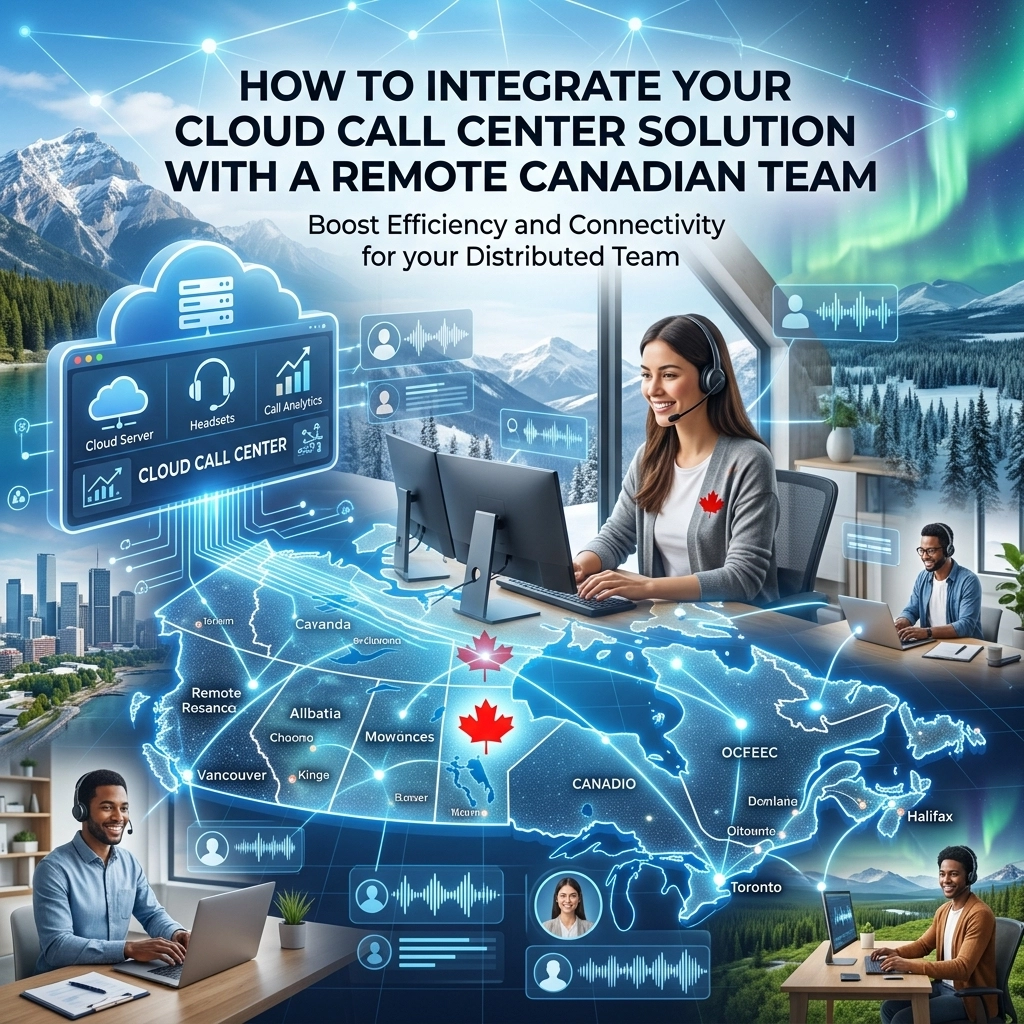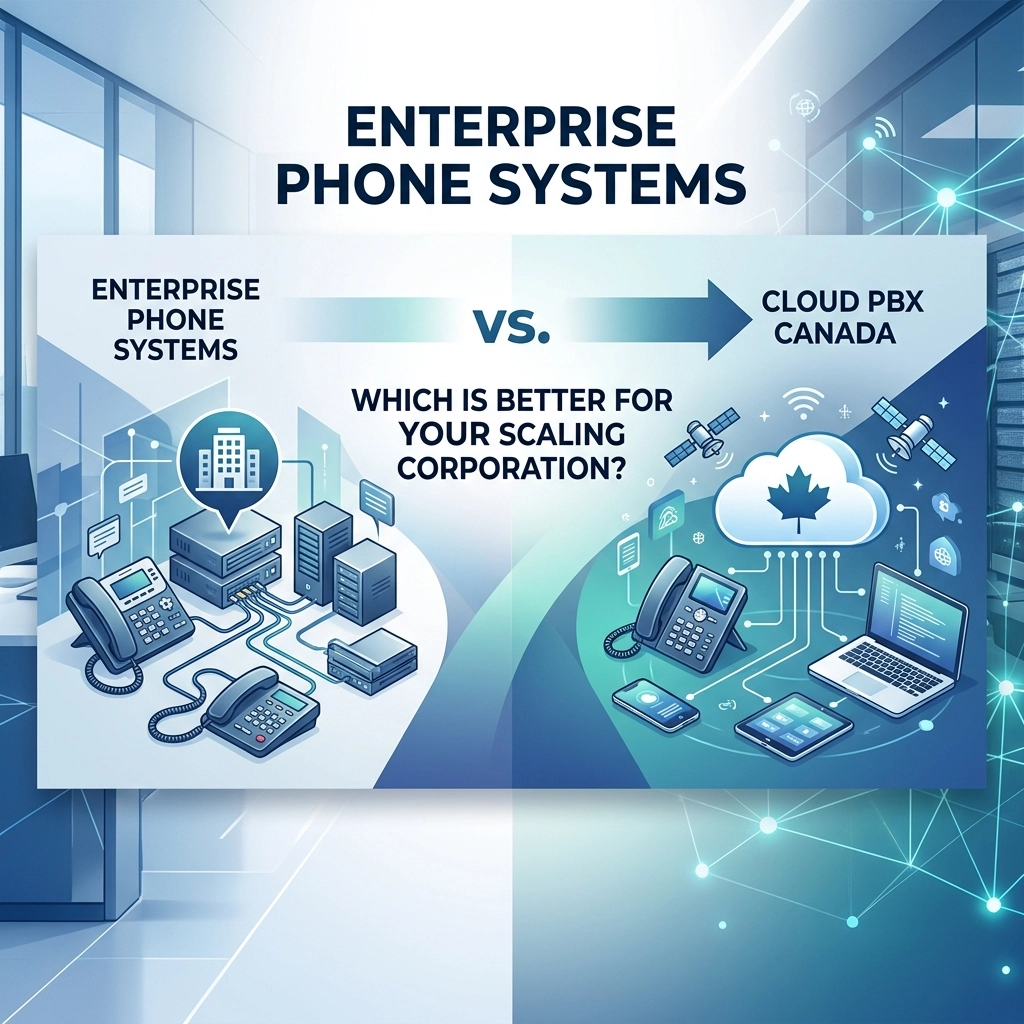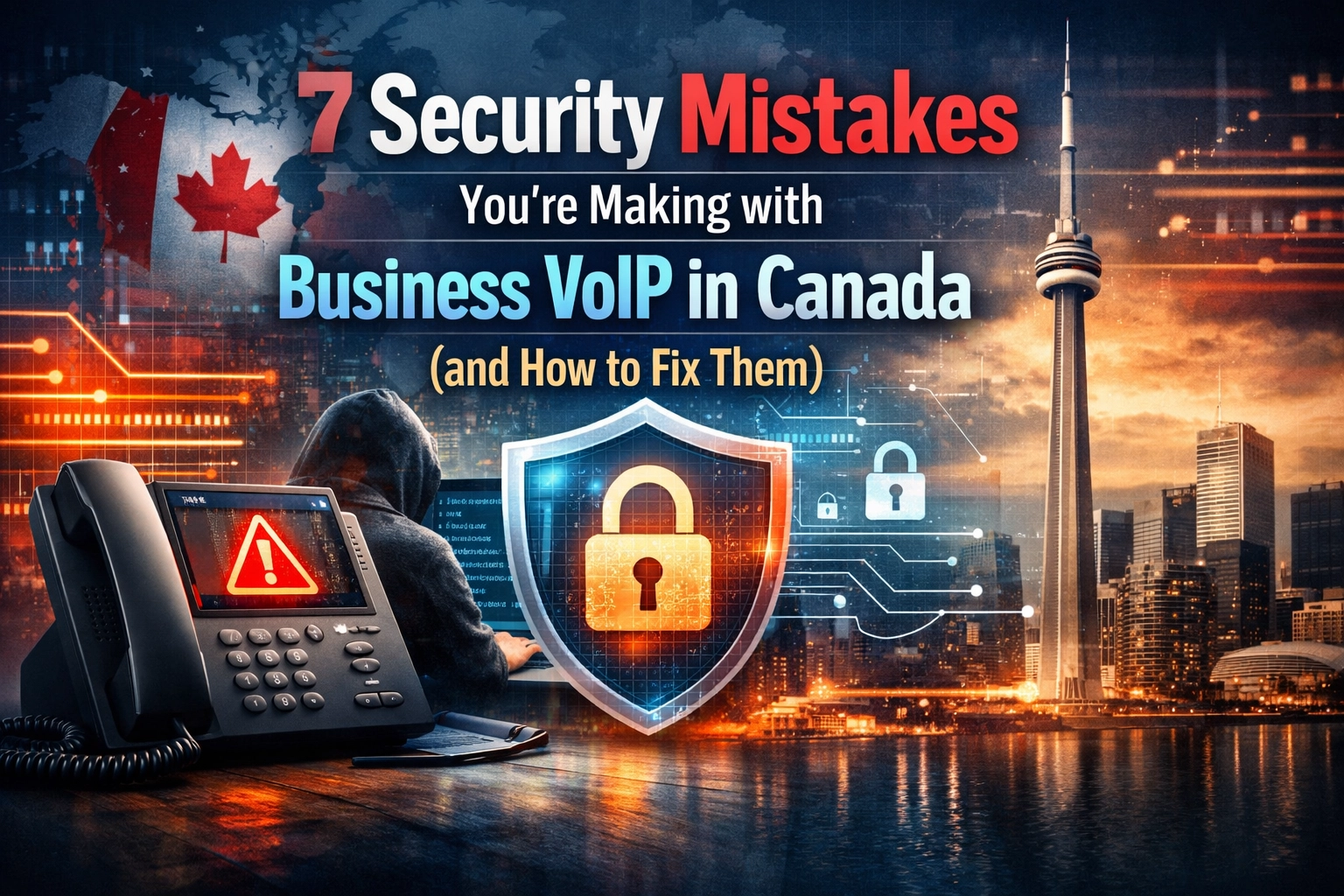
Switching to a cloud-based phone system is one of the smartest moves a Canadian business can make. It cuts costs, boosts flexibility, and allows your team to work from anywhere: whether they’re in a downtown Toronto office or a home setup in Halifax. However, as we move our voice communications to the internet, we open up a new front for potential security threats.
Many companies treat their business voip canada solutions like a "set it and forget it" utility. But because VoIP is essentially data, it’s subject to the same risks as your email or your server: hacking, interception, and fraud. In Canada, we also have to navigate specific regulatory landscapes like PIPEDA (Personal Information Protection and Electronic Documents Act) and strict E911 requirements.
If you’re worried your system might have a few "open windows," you’re in the right place. Here are the seven most common security mistakes Canadian businesses make with their VoIP systems and, more importantly, how you can fix them today.
1. Thinking "Voice is Just Voice" (Neglecting Encryption)
One of the biggest misconceptions is that phone calls are somehow "off the grid" compared to emails or files. In reality, a VoIP call is just a stream of data packets traveling across the public internet. If those packets aren't encrypted, someone with the right tools can intercept them and literally listen to your conversation.
Under PIPEDA, Canadian businesses are responsible for protecting personal information not just while it’s sitting on a hard drive, but also while it’s in transit. If you're discussing client credit card numbers, health info, or legal strategies over an unencrypted line, you're at risk.
The Fix:
Ensure your provider uses Secure Real-Time Transport Protocol (SRTP) and Transport Layer Security (TLS). This encrypts the actual voice data and the signaling (the "handshake" between phones). At Voiswitch, we prioritize these protocols to ensure your Cloud PBX traffic stays private from end to end.

2. Playing Fast and Loose with Call Recordings
We’ve all heard the phrase: "This call may be recorded for quality and training purposes." It’s a standard business practice, but many organizations fail to treat these recordings as sensitive data.
Storing thousands of hours of customer conversations on an unsecured local server or a generic cloud bucket is a massive liability. If a breach occurs, you aren't just losing data; you’re losing the trust of your customers and potentially facing heavy fines from privacy commissioners.
The Fix:
Treat call recordings like any other sensitive file. Implement strict access controls so only specific managers can listen to them. Furthermore, establish a clear retention policy: if you don’t need a recording after 90 days, delete it. For more on how we handle data, check out our Privacy Policy.
3. Using Weak Passwords and Skipping MFA
It sounds basic, but "weak credentials" remains the number one way hackers get into VoIP systems. In the world of telecommunications, this often leads to "Toll Fraud." This is when a hacker gains access to your system and uses your lines to make thousands of dollars worth of international calls to premium-rate numbers they own. You’re left holding the bill.
The Fix:
First, change every default password on every desk phone and admin portal. Second, enable Multi-Factor Authentication (MFA). Requiring a code from an app or email to log into your Voiswitch shop or admin dashboard adds a vital layer of defense that stops 99% of automated attacks.
4. Hosting Your Data South of the Border (Data Residency)
While the cloud is global, the laws governing it are very local. Many "big name" VoIP providers host their data primarily in US-based data centers. For a Canadian business, this can create a compliance headache. If your call metadata or recordings are stored in the US, they are subject to different privacy laws (like the Patriot Act) which may conflict with your PIPEDA obligations.
The Fix:
Whenever possible, choose a provider that uses Canadian data centers. Having your business voip canada infrastructure on home soil ensures that your data remains under Canadian jurisdiction. This isn't just a legal "nice-to-have": it's a core requirement for many government, legal, and healthcare contracts.

5. The "Set and Forget" E911 Mistake
In the old days of landlines, your phone was physically tied to a wall. If you called 911, the operator knew exactly where you were. With VoIP, your "office" could be a coffee shop or a cottage. A common mistake is failing to update the physical address associated with a specific VoIP extension.
If an employee at a satellite office calls 911 and the system sends the emergency services to your main headquarters instead, the results can be tragic. This isn't just a security risk; it's a major safety and liability issue.
The Fix:
Implement dynamic E911 management. Make sure your team knows that if they move their desk phone or use a softphone from a new location, they must update their registered address. We provide a full guide on 911 Explained to help you stay compliant and keep your team safe.
6. Ignoring the "Human Firewall" (Vishing and Phishing)
You can have the most expensive firewall in the world, but it won’t stop an employee from giving away their login credentials to a convincing "tech support" caller. Voice Phishing (or "Vishing") is on the rise. Scammers may call your reception desk pretending to be from your VoIP provider, asking for "verification" to fix a supposed line issue.
The Fix:
Education is your best defense. Train your staff to recognize common vishing tactics. Remind them that a legitimate provider like Voiswitch will never ask for your password over the phone. Creating a culture of "verify before you trust" is a low-cost, high-impact security move.
7. Not Segregating Your Voice Traffic
Many small businesses run their VoIP phones on the same local network (VLAN) as their guest Wi-Fi and office computers. This is a security nightmare. If a guest’s laptop has malware, it could potentially sniff the traffic on the network and find vulnerabilities in your phone system.
Additionally, sharing the same "pipe" without proper configuration leads to poor call quality (jitter and lag) because your voice packets are fighting with someone downloading a large file.
The Fix:
Set up a dedicated VLAN for your voice traffic. This separates your phones from the rest of your office data, making it much harder for a breach in one area to affect the other. If you’re unsure about your current setup, upgrading your Business Internet or looking into Structured Cabling can provide the physical and logical separation you need.

Why Proactive Security Matters
The transition to business voip canada solutions offers incredible competitive advantages, but those advantages shouldn't come at the cost of your security. In 2026, the threats are more sophisticated, but the tools to combat them are also more accessible than ever.
Security isn't a one-time project; it’s an ongoing commitment. By addressing these seven mistakes, you aren't just "fixing the phones": you’re protecting your company’s reputation, your customer’s privacy, and your bottom line.
Ready to Secure Your Business Communications?
At Voiswitch, we don't just provide dial tones. We provide secure, robust, and Canadian-compliant communication frameworks tailored for the modern workforce. Whether you’re looking to migrate to a Cloud PBX or need to audit your current security posture, we’re here to help.
Don't leave your security to chance. Contact us today for a consultation, or check out our FAQ to learn more about how we keep Canadian businesses connected and protected.