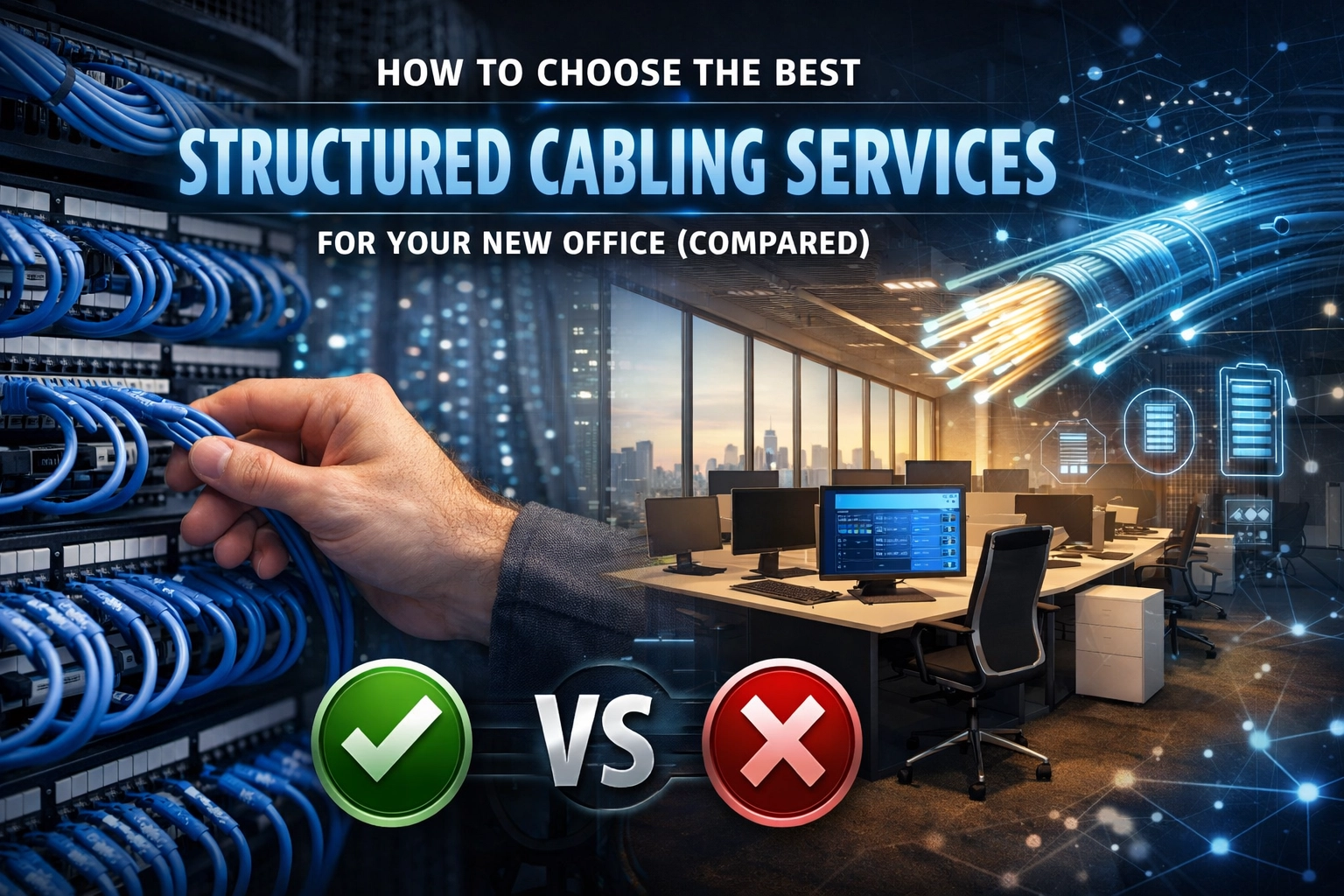
Moving your business into a new office space is an exciting milestone. You’ve picked the location, planned the floor layout, and perhaps even started looking at new furniture. But there is one critical element that often gets overlooked until the very last minute: the wiring behind the walls.
In the modern business landscape, your digital infrastructure is just as important as your physical one. Without a solid foundation, your high-speed internet, security cameras, and business VoIP Canada systems will struggle to perform. This foundation is known as structured cabling.
If you are currently navigating a move or a renovation, choosing the right structured cabling services is one of the most important technical decisions you will make. This guide will walk you through what to look for, how to compare providers, and why the physical layer of your network dictates the success of your digital tools.
What is Structured Cabling (and Why Does It Matter)?
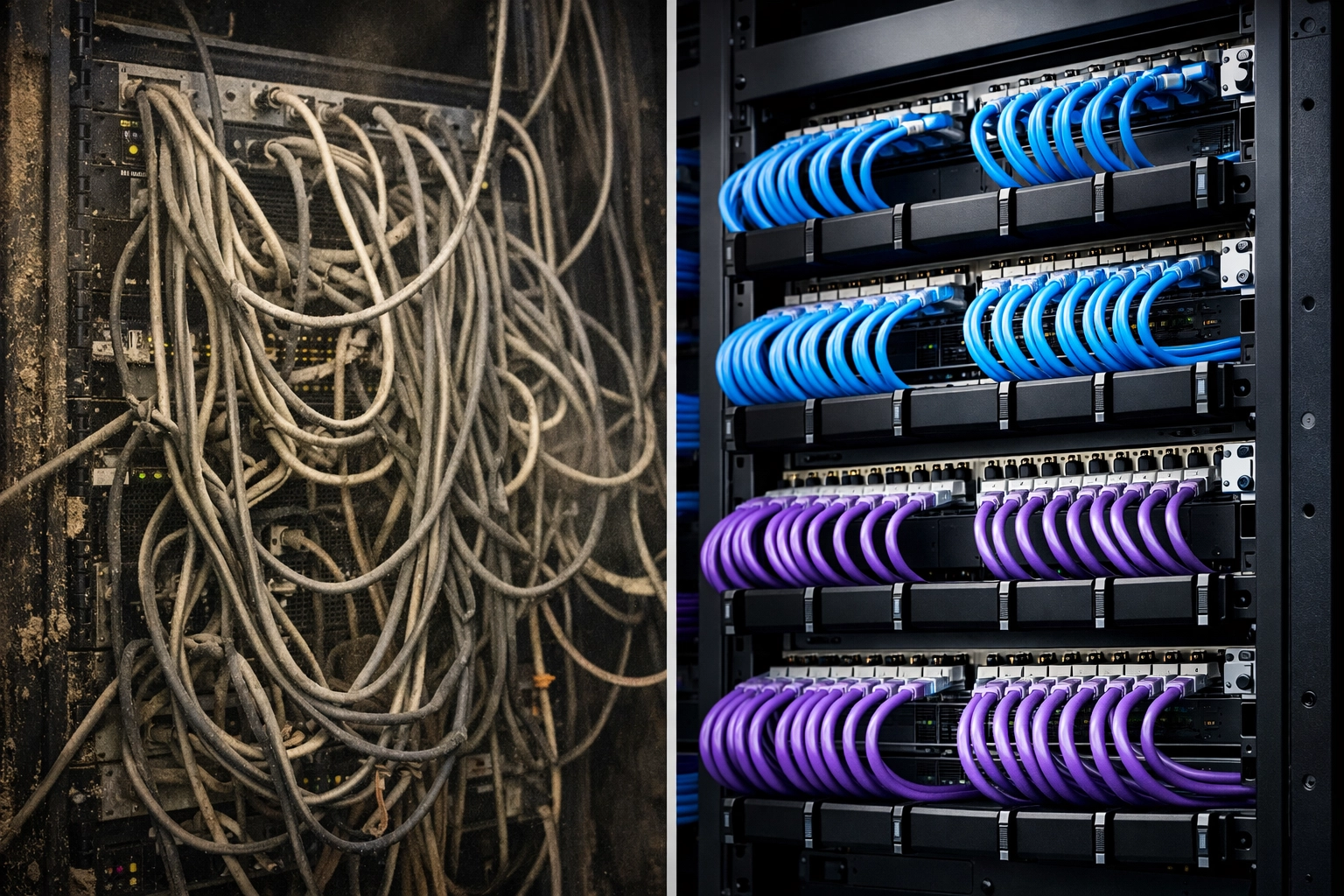
In the old days of office setups, "point-to-point" cabling was the norm. If you needed a new phone, you ran a wire from the phone to the closet. If you needed a computer moved, you ran another wire. This inevitably led to what IT professionals call "spaghetti mess", a chaotic tangle of unidentified cables that makes troubleshooting impossible.
Structured cabling is a planned, organized approach to your office’s telecommunications infrastructure. It consists of a series of patch panels, trunks, and smaller subsystems that allow you to plug in any device, be it a PC, a printer, or an IP phone, anywhere in the office and have it work seamlessly.
For Canadian businesses transitioning to cloud PBX Canada solutions, structured cabling isn't just a "nice to have." VoIP (Voice over Internet Protocol) relies on steady, high-quality data transmission. Poorly installed or outdated cabling can lead to jitter, dropped calls, and poor audio quality, regardless of how fast your internet package is.
Problem vs. Solution: The Legacy Trap
Many business owners try to save costs by using the existing cabling left behind by the previous tenant. While this seems like a quick win, it often leads to significant long-term headaches.
- The Problem: Legacy cables (like Cat5 or older) often lack the bandwidth to support modern PoE (Power over Ethernet) devices. Your new high-def IP phones or Wi-Fi 6 access points may not get the power or data speed they require.
- The Solution: Investing in professional structured cabling services ensures you are using at least Cat6 or Cat6A standards, which are designed to handle the 10Gbps speeds and high power requirements of today’s hardware.
Key Factors to Compare When Choosing a Provider
Not all cabling contractors are created equal. When evaluating providers for your new office, use the following criteria to make an informed comparison.
1. Experience and Industry Track Record
You don’t want your new office to be a "learning experience" for a technician. Look for providers who have handled projects of a similar scale. A company specializing in small residential setups may not understand the complexities of a 50-person office with a dedicated server room and multiple VLAN requirements. Ask for references or case studies involving commercial office relocations.
2. Range of Services (Beyond Just Pulling Wire)
The best structured cabling services offer more than just physical installation. You should look for a "one-stop shop" that can handle:
- Fiber Optic Cabling: Essential for connecting server rooms or bridging long distances between floors.
- Wireless Site Surveys: Ensuring your cabling supports optimal placement for Wi-Fi access points.
- Audio-Visual & Security: Integrating your cabling with access control systems and conference room setups.
- Testing and Certification: A professional provider will use expensive testing equipment to certify that every drop meets industry standards and provide you with a digital report.
3. Scalability and Future-Readiness
Your business won’t stay the same size forever. A forward-thinking contractor will suggest a "density" of cabling that allows for growth. This means running extra drops to areas that might become workstations in two years. It’s significantly cheaper to run two extra cables while the ceiling is open than to call a contractor back for a single addition later.
4. Project Management and Documentation
A major red flag is a contractor who works without a blueprint. When comparing services, ask how they document their work. A professional installation includes:
- Labeled wall plates and patch panels.
- A digital map (CAD or PDF) showing where every cable runs.
- Certified test results for every connection.

Comparing the Options: Fiber vs. Copper
When you receive quotes, you’ll likely see choices between different types of cabling. Understanding the difference is key to your budget and performance.
| Feature | Copper (Cat6/6A) | Fiber Optic |
|---|---|---|
| Best For | Desktops, IP Phones, Access Points | Backbone, Server Rooms, Long Distances |
| Speed | Up to 10 Gbps (over short distances) | Virtually Unlimited |
| Distance | Limited to 100 meters | Several Kilometers |
| Cost | More Affordable | Higher Initial Investment |
| Durability | Susceptible to interference | Immune to Electrical Interference |
For most business internet setups in a standard office, Cat6A copper is the standard for workstations. However, if your office spans multiple floors or has a large warehouse attached, fiber is the only way to ensure your network stays fast and stable.
The Local Advantage in Canada
While large international firms exist, there is a distinct advantage to working with a provider that understands the Canadian market. Whether it’s adhering to specific provincial building codes or understanding the local telecommunications landscape, local expertise matters.
At Voiswitch, we see the entire picture. We aren't just looking at the wires; we are looking at how those wires will support your SIP trunks and your remote workforce. When the physical layer is installed correctly, the software layer, your phones, your meetings, and your data, works perfectly.

Questions to Ask Potential Providers
Before signing a contract, sit down with the provider and ask these direct questions:
- Do you provide certified test results for every cable run? (If the answer is no, walk away).
- Are you insured and WSIB compliant?
- Will you handle the fire-stopping and permit requirements?
- Can you integrate the cabling with our existing VoIP or Cloud PBX provider?
By asking these questions, you distinguish the professional installers from the "handymen" who might leave you with a network that fails under pressure.
Why Quality Cabling Saves Money
It is tempting to look at structured cabling as a place to cut the budget during a move. However, the "cost of failure" is incredibly high. If a cable fails six months after you move in, the cost to replace it involves moving furniture, opening ceilings, and potentially disrupting your entire staff's workday.
A high-quality installation typically lasts 10 to 15 years, outliving several generations of hardware and software. By choosing the right provider now, you are essentially buying an "insurance policy" for your office's productivity.
Conclusion: Building Your Foundation
Choosing the best structured cabling services is about looking beyond the price tag and evaluating the long-term reliability of your office. A well-designed system makes managing your business VoIP Canada a breeze, ensures your internet is blazing fast, and allows your team to focus on work rather than troubleshooting connection issues.
If you are planning an office move or an upgrade, don't leave your infrastructure to chance. At Voiswitch, we understand how the physical and digital worlds of telecommunications collide. We can help you navigate the complexities of structured cabling to ensure your new space is ready for the future.
Ready to wire your new office for success? Contact us today for an expert consultation on your structured cabling and telecommunications needs. Let’s build a foundation that helps your business grow.