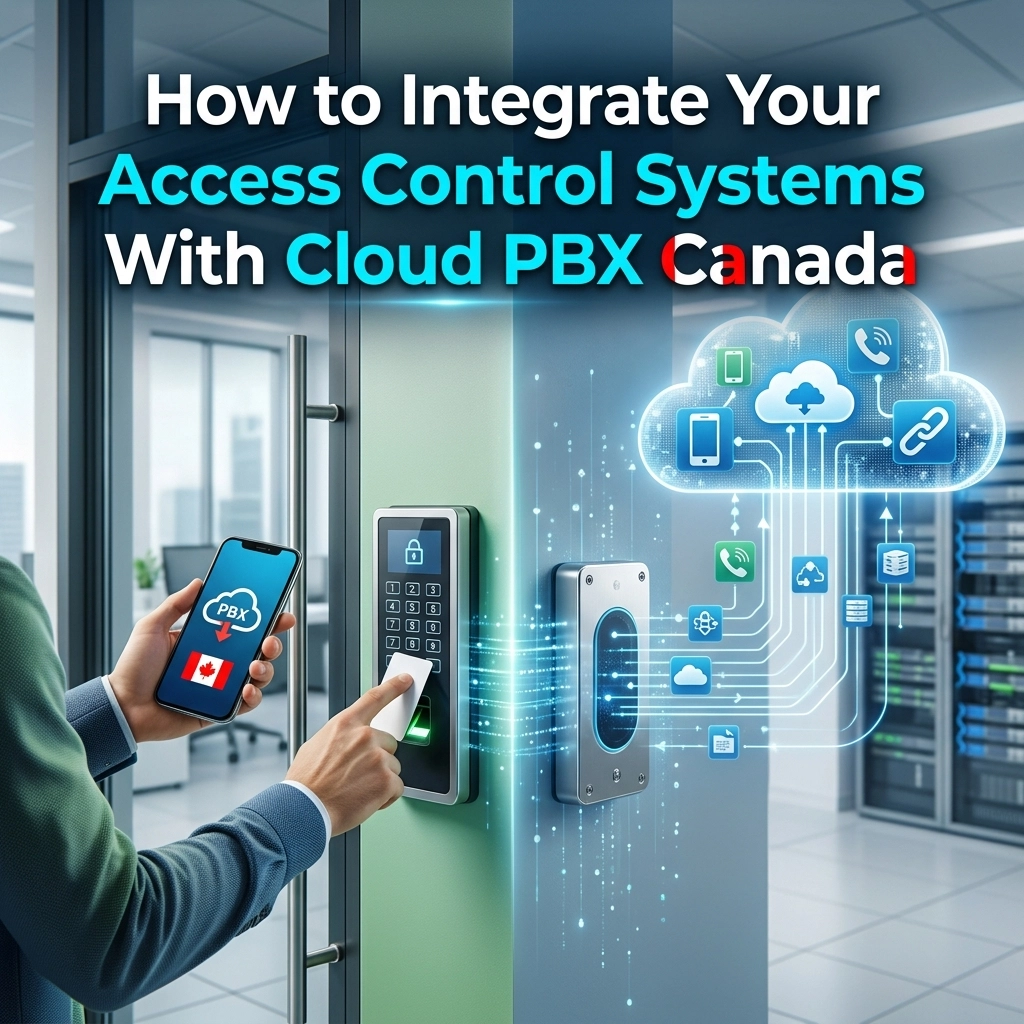
Communication is the lifeblood of any modern enterprise. For decades, businesses relied on bulky, on-premise hardware stored in dusty server rooms to manage customer interactions. These legacy systems were expensive to install, difficult to maintain, and completely tethered to a physical location.
The landscape changed with the arrival of high-speed internet and cloud computing. Today, the shift toward cloud call center solutions: often referred to as Contact Center as a Service (CCaaS): is no longer just a trend for tech giants. It is a fundamental requirement for any Canadian business looking to remain competitive and responsive.
What Is a Cloud Call Center?
A cloud call center is a web-based platform that handles all inbound and outbound customer communications. Unlike traditional setups, it requires no physical servers or complex wiring on-site. The entire system is hosted by a provider and accessed via the internet using a computer, a specialized IP phone, or even a mobile app.
These platforms act as a central hub. They don't just handle voice calls; they integrate email, SMS, social media, and live chat into a single interface. This allows your team to manage the entire customer journey from one dashboard, ensuring that no message falls through the cracks.
Why Canadian Businesses Are Making the Switch
For many business owners in Canada, the decision to move to the cloud comes down to solving persistent headaches. Legacy systems often result in "siloed" information where a customer might call in, only for the agent to have no record of an email sent two hours prior.
Cloud solutions eliminate these gaps by providing a unified view of the customer. Furthermore, with the rising costs of office space in cities like Toronto or Vancouver, the ability to support a remote or hybrid workforce is a massive financial advantage. By using business voip canada solutions, companies can hire the best talent regardless of where they are physically located.

The Core Benefits of Cloud-Based Systems
Transitioning to a cloud environment offers immediate logistical and financial relief. Here are the primary reasons why modern businesses are retiring their old PBX hardware:
- Cost Efficiency: There is no massive upfront investment in hardware. You pay a monthly subscription based on the number of users, which moves your communication costs from a capital expense (CAPEX) to an operating expense (OPEX).
- Rapid Scalability: If your business experiences seasonal spikes: such as during the holiday shopping season: you can add new agents in minutes. When the rush is over, you can scale back down just as easily.
- Business Continuity: If an ice storm hits or a local power outage occurs, your call center doesn't go dark. Since the system is hosted in the cloud, agents can simply log in from home or a secondary location.
- Automatic Updates: You never have to worry about "patching" your phone system again. The provider handles all security updates and feature rollouts in the background, ensuring you are always running the latest version.
Essential Features for Success
When evaluating a cloud pbx canada provider, it is easy to get overwhelmed by the feature list. To truly succeed, you should prioritize capabilities that directly impact agent productivity and customer satisfaction.
Omnichannel Integration
Customers want to reach you on their terms. A true cloud call center solution allows an agent to see a customer's history across phone, chat, and email simultaneously. This context allows for faster problem-solving and a more personalized experience.
Interactive Voice Response (IVR)
A well-configured IVR acts as a digital receptionist. It gathers information from the caller and routes them to the correct department immediately. This reduces wait times and ensures that high-priority calls are handled by your most experienced staff.
Real-Time Analytics and Reporting
You cannot manage what you do not measure. Modern platforms provide live dashboards showing call volume, average handle time, and abandonment rates. This data allows managers to make informed decisions about staffing levels in real-time.
CRM Integration
The most powerful tool in an agent's arsenal is information. By integrating your call center with tools like Salesforce or HubSpot, caller information pops up on the screen the moment the phone rings. This "screen pop" saves seconds on every call, which adds up to hours of saved time every month.

Infrastructure: The Foundation of Call Quality
While the software lives in the cloud, the physical environment where your agents sit still matters. Many businesses make the mistake of investing in high-end software but neglecting their local network.
Poor voice quality: such as jitter, lag, or dropped calls: is usually not a fault of the cloud provider. It is often a result of inadequate structured cabling services or a low-quality router. To ensure crystal-clear audio, your office should have a dedicated voice VLAN (Virtual Local Area Network) and high-quality Category 6 (Cat6) cabling.
If you are setting up a new office or upgrading an existing one, consider your business internet capacity. Cloud voice is data-intensive; ensuring you have a reliable, low-latency connection is the first step toward a professional customer experience.
Common Troubleshooting and Tips
Even the best systems can run into hiccups. Most issues with cloud-based voice systems stem from the local network environment. Here is a quick guide to common fixes:
- Check Your Bandwidth: If calls sound "robotic," check if someone on the network is performing a large file upload or download. Quality of Service (QoS) settings on your router can prioritize voice traffic over other data.
- Use Hardware Designed for VoIP: While softphones (apps on your computer) are great, dedicated IP phones often provide better hardware-level echo cancellation. You can explore various options in the Voiswitch shop.
- Wired vs. Wi-Fi: Whenever possible, plug your phones and computers directly into the wall via an ethernet cable. Wi-Fi is susceptible to interference from microwaves, other networks, and physical barriers, which can degrade call quality.

Navigating Canadian Regulations
Operating a call center in Canada comes with specific responsibilities, particularly regarding emergency services. Every business must understand how E911 (Enhanced 911) works with VoIP technology.
Unlike a traditional landline, a cloud phone isn't tied to a fixed address. If an agent moves their phone to a home office, the system must be updated so that emergency responders know where to go. We have a detailed breakdown of 911 explained to help you stay compliant and keep your staff safe.
Choosing the Right Partner
Success in the cloud requires more than just a software license. It requires a partner who understands the unique needs of the Canadian market, from local number portability to bilingual support requirements.
At Voiswitch, we focus on providing comprehensive telecommunications solutions that bridge the gap between complex technology and ease of use. Whether you are looking for sip trunks to connect an existing system or a full-scale cloud migration, the goal is always the same: reliability.

Future-Proofing Your Business
The world of customer service is moving toward AI and automation. Cloud call centers are the gateway to these technologies. Soon, AI-driven sentiment analysis will be able to tell a manager when a call is going poorly before the customer even hangs up.
By moving to the cloud now, you aren't just solving today's problems. You are building a foundation that can adapt to whatever technology comes next. You are removing the physical and financial "anchors" of legacy hardware and giving your business the freedom to grow.
If you are ready to explore how a modern system can transform your operations, our FAQ section covers many of the common technical questions business owners have during the transition. The path to a better customer experience starts with a single, clear conversation.