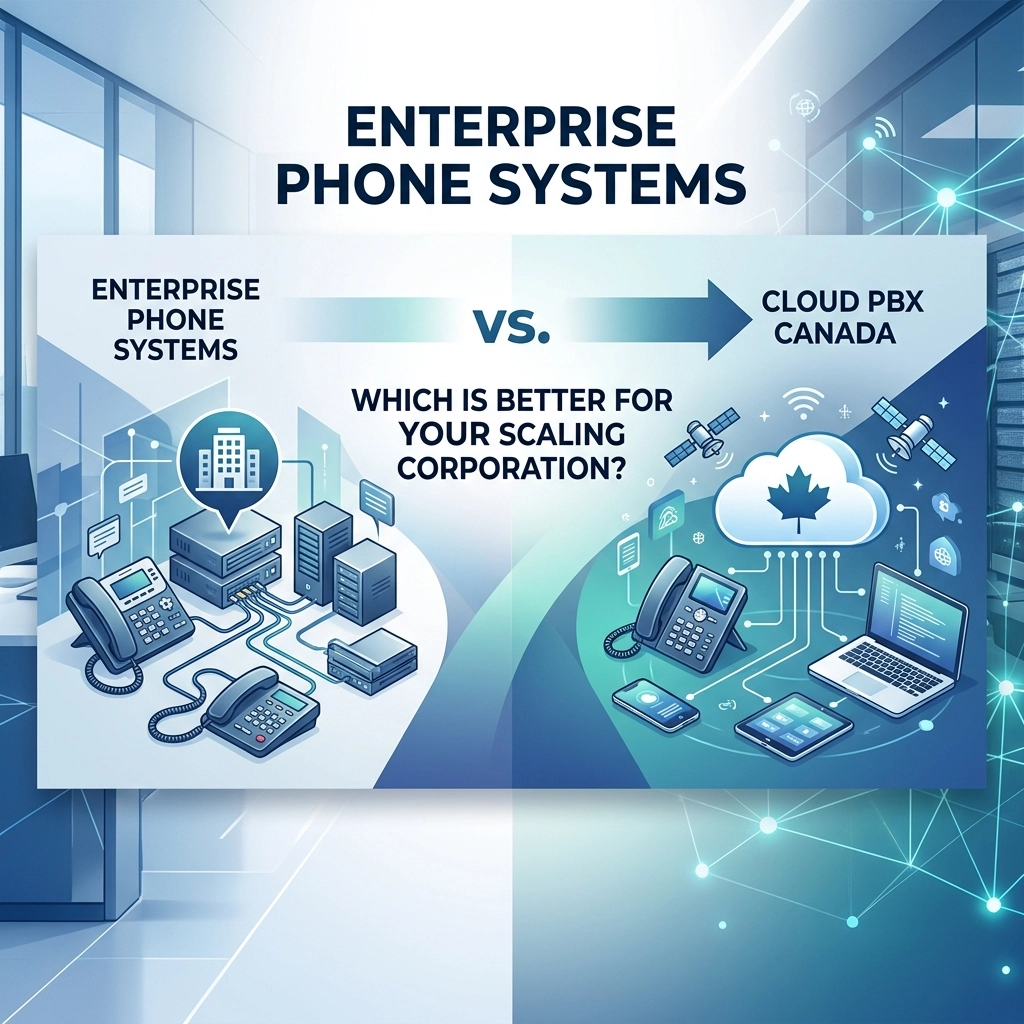
For many small business owners in Canada, the shift from traditional copper-wire telephone lines to Voice over IP (VoIP) is no longer a luxury: it is a necessity. Legacy systems are becoming increasingly expensive to maintain, and they lack the flexibility required for a modern, hybrid workforce. However, once you decide to make the switch to a cloud PBX Canada solution, you are faced with a daunting question: Which physical hardware should you put on your desks?
Choosing the best IP phones involves more than just looking at a price tag. It requires an understanding of your team’s daily workflow, your office’s technical infrastructure, and the specific features that will actually drive productivity. In this guide, we will compare the leading hardware options and provide a roadmap for selecting the right IP phones for your Canadian small business.
The Problem: Why Legacy Hardware is Holding You Back
Traditional analog desk phones are built for one thing: making and receiving calls. In the modern business environment, this is rarely enough. Legacy systems often lead to "communication silos," where your desk phone doesn't talk to your computer, your CRM, or your mobile device.
Furthermore, maintaining old PBX hardware is a liability. When a component fails, finding replacement parts for discontinued systems can be nearly impossible. This leads to extended downtime, which is a significant risk for any growing business. By moving to business VoIP Canada services and modern IP hardware, you replace these liabilities with a scalable, software-driven ecosystem that grows with your company.
Key Features to Look For in an IP Phone
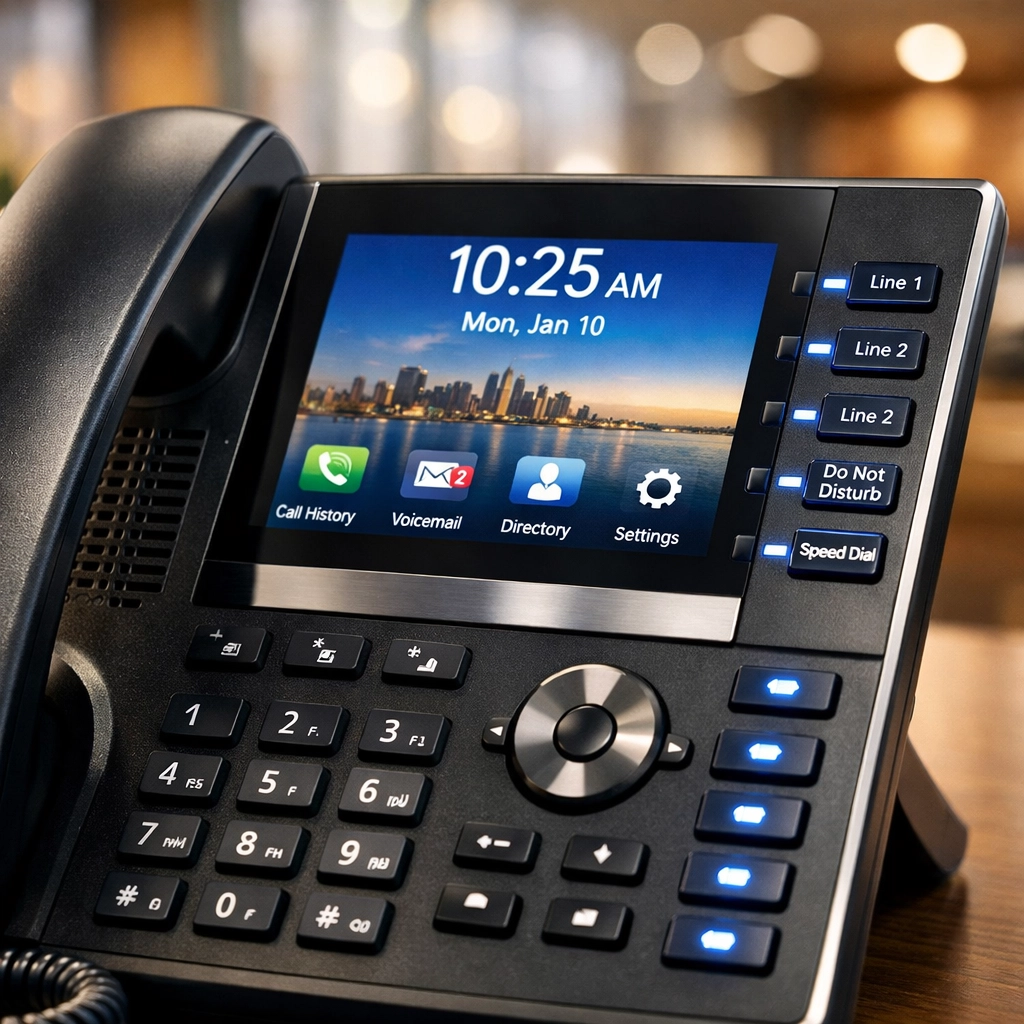
Before we dive into specific brands, it is important to understand the technical specifications that differentiate a budget device from a professional-grade business phone.
1. Audio Quality (HD Voice)
In a professional setting, clarity is everything. Look for phones that support wideband audio, often marketed as "HD Voice." This technology captures a wider range of frequencies, making conversations sound more natural and reducing listener fatigue during long meetings.
2. Power over Ethernet (PoE) Support
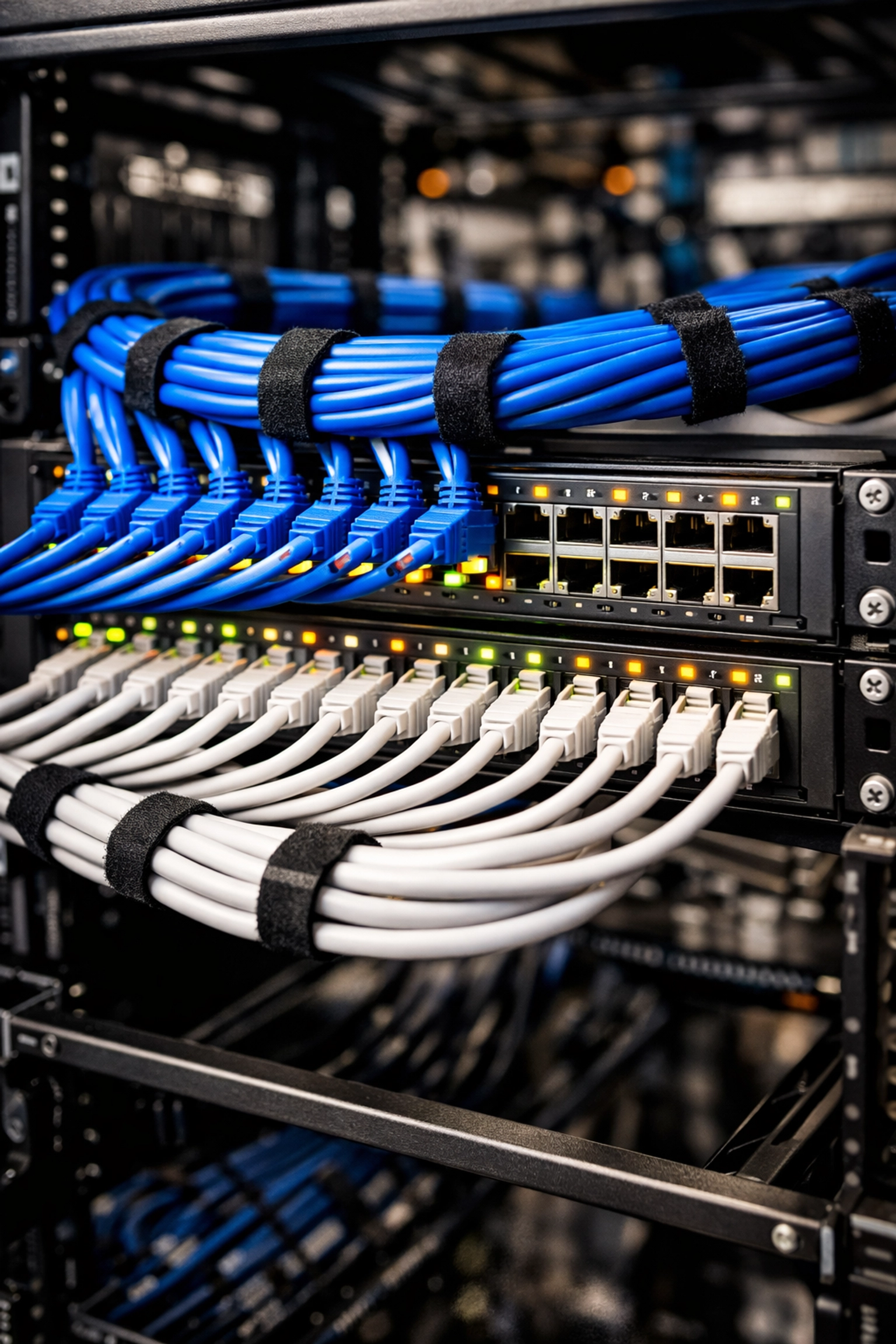
Most modern IP phones are powered via the Ethernet cable itself. This eliminates the need for a separate power adapter at every desk, reducing cable clutter. However, to use this feature, your office must have a PoE-capable switch or injector.
3. Programmable Keys and BLF
Busy Lamp Field (BLF) keys allow you to see the status of your colleagues (e.g., if they are on a call or available) at a glance. For receptionists or office managers, having a high number of programmable keys is essential for efficient call handling.
4. Connectivity Options (WiFi and Bluetooth)
While a wired connection is always preferred for stability, some Canadian offices aren't fully wired with Cat6 cabling. In these cases, IP phones with built-in WiFi can be a lifesaver. Bluetooth support is also valuable for employees who prefer using wireless headsets.
Comparing the Top IP Phone Brands for 2026
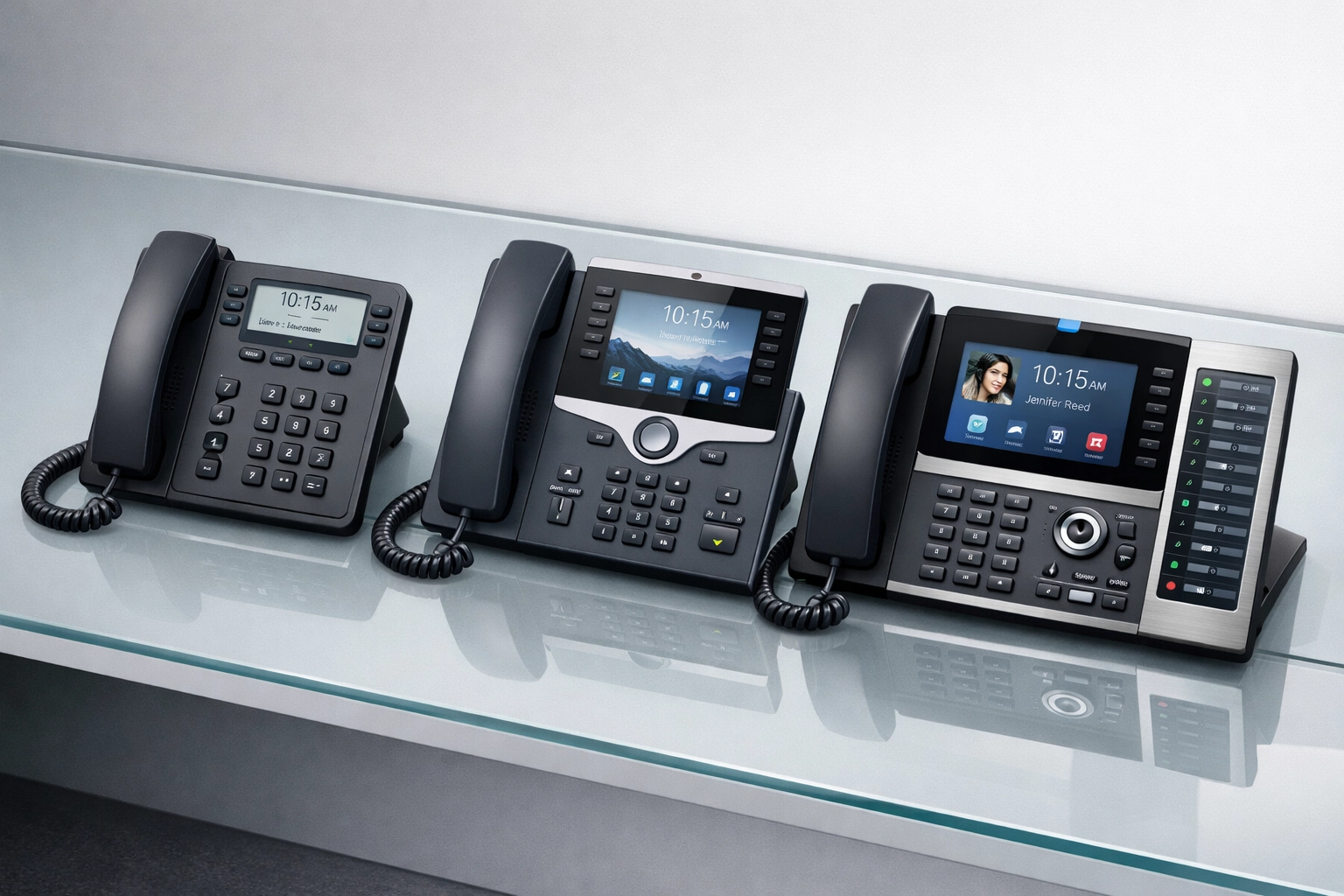
Several manufacturers dominate the Canadian market. Each brand has its own strengths, ranging from cost-effectiveness to high-end executive features.
Yealink: The Best Overall Value
Yealink has rapidly become the go-to choice for small to medium-sized businesses in Canada. Their phones are known for being extremely reliable and easy to configure with almost any cloud PBX provider.
- Yealink T3 Series: Perfect for basic desk use or common areas like breakrooms. These are cost-effective but still offer HD audio.
- Yealink T4 Series: The "workhorse" line. These phones feature elegant designs, large displays, and excellent build quality.
- Yealink T5 Series: High-end "Media Phones" that often include adjustable screens and built-in Bluetooth/WiFi.
Poly (Formerly Polycom): The Gold Standard for Audio
If audio quality is your primary concern, Poly is hard to beat. Their "Acoustic Fence" technology is famous for filtering out background noise, which is a major advantage in open-concept Canadian offices.
- Poly Edge B Series: Entry-level phones that don't sacrifice audio quality.
- Poly VVX Series: Robust, reliable, and widely supported by service providers. They are built to last for a decade or more.
Cisco: The Enterprise Choice
Cisco is synonymous with networking. While their phones are often more expensive, they offer unparalleled security and integration features, especially for businesses already using a Cisco-heavy network stack.
- Cisco 7800 Series: Reliable, cost-effective endpoints for general business use.
- Cisco 8800 Series: High-performance phones that often include video capabilities and integration with mobile devices.
Does Your Infrastructure Support Modern VoIP?
A common mistake businesses make is purchasing high-end IP phones but plugging them into outdated network wiring. IP phones rely on a steady, high-speed data connection to maintain call quality. If your office has "daisy-chained" phone lines or old Cat3 wiring, you will likely experience dropped calls and jitter.
Before deploying a new fleet of phones, consider an audit of your structured cabling services. Ensuring that every desk has a dedicated Cat6 drop back to a high-quality switch is the best way to protect your investment in VoIP hardware. If you are unsure about your current setup, you can check our FAQ section for more details on hardware requirements.
How to Choose the Right Model for Different Roles
Not every employee needs the same phone. To optimize your budget, categorize your needs based on job function:
- The Receptionist: Needs a phone with many programmable buttons or an expansion module (sidecar) to manage dozens of lines and transfers simultaneously.
- The Executive: Typically requires a large color display, Bluetooth for their headset, and perhaps video conferencing capabilities.
- The Standard Office Worker: Needs a reliable mid-range phone with 3-6 lines, a clear display, and a dedicated headset port.
- Common Areas: Hallways, kitchens, and lobbies only need basic, durable phones with a limited feature set.
Implementation: Setting Up Your IP Phones in Canada
Once you have selected your hardware, the implementation process is straightforward if you are working with a reputable provider like Voiswitch. Most modern IP phones support "Zero-Touch Provisioning." This means that when you plug the phone into your internet connection, it automatically reaches out to the server, downloads its configuration, and assigns itself the correct extension.
For businesses with specific regulatory needs, such as 911 calling requirements, it is vital to ensure your hardware and service provider are properly synced to provide accurate location data to emergency services.
The Cost Factor: Buying vs. Leasing
When equipping a small business, cash flow is always a consideration. Many providers allow you to purchase hardware upfront to avoid monthly equipment fees, while others offer "HaaS" (Hardware as a Service) models.
- Buying Upfront: Higher initial cost, but lower monthly bills. You own the assets and can take them with you if you change providers.
- Leasing/Monthly: Low initial cost, making it easier to scale quickly. Often includes easy upgrades to newer models every few years.
If you are looking for specific pricing on hardware or service bundles, you can browse our online shop to compare current market rates for popular models.

Conclusion: Making the Right Call
Choosing the best IP phones for your Canadian small business doesn't have to be a complicated process. By focusing on audio quality, PoE support, and the specific needs of your various roles, you can create a communication system that enhances your business rather than hindering it.
Remember, the hardware is only one half of the equation. Your phones are only as good as the network they run on and the business VoIP Canada service that powers them. By investing in quality hardware and ensuring your structured cabling is up to par, you are setting your business up for years of reliable, crystal-clear communication.
If you are ready to upgrade your office communication or need expert advice on which models are right for your specific industry, contact our team today. We help Canadian businesses navigate the complexities of telecommunications to find the perfect balance of performance and price.