In 2026, a stable internet connection isn't just a utility for your business; it is the lifeblood of your entire operation. From processing credit card transactions to hosting high-definition video conferences and managing your business voip canada system, your connectivity dictates your productivity.
Choosing the wrong provider can lead to more than just slow speeds. It can result in dropped calls on your cloud pbx canada setup, lost data during cloud backups, and frustrated employees. In the Canadian market, the options range from massive national incumbents to specialized fiber providers. Navigating this landscape requires an understanding of what your business actually needs versus what the marketing brochures promise.
Why Your Choice of Internet Provider Impacts Your Business Phone System
Before we dive into the providers, we need to address a common mistake: treating internet and communication systems as separate entities. If you are using a modern phone system, they are inextricably linked.
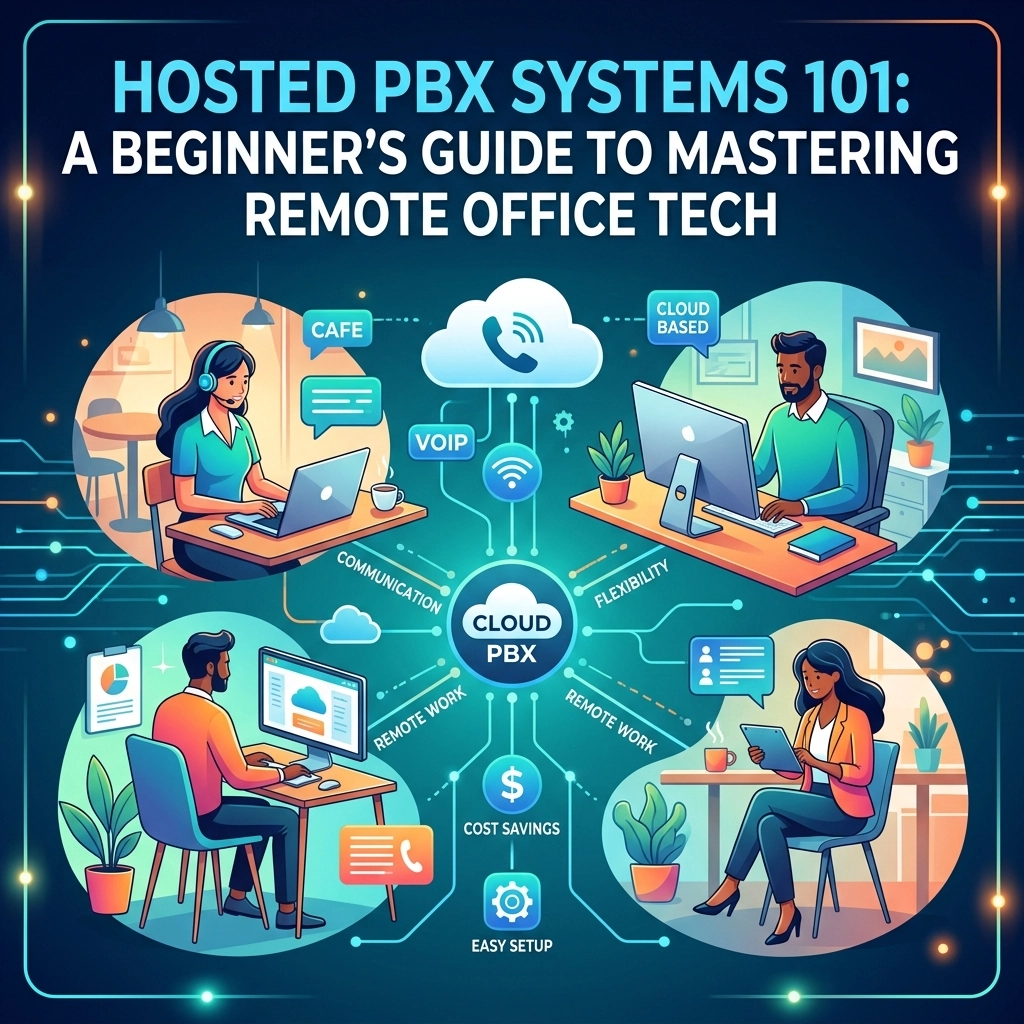
If you have transitioned to hosted PBX systems, your voice traffic travels over your internet connection. A provider with high latency or "jitter" will cause your voice calls to clip, lag, or drop entirely. This is why "Business Grade" internet is non-negotiable. Unlike residential connections, business plans should offer Service Level Agreements (SLAs) that guarantee uptime and prioritize your traffic.
Key Factors to Evaluate in a Canadian Business Internet Provider
When comparing providers like Bell, Telus, Rogers, or Videotron, don't just look at the monthly price. Here are the metrics that actually matter for a professional environment.
1. Fiber vs. Everything Else
If fiber-to-the-premises (FTTP) is available at your location, take it. Fiber offers symmetrical speeds: meaning your upload speed is just as fast as your download speed. This is critical for businesses that upload large files to the cloud or run multiple simultaneous video calls. Cable and DSL typically offer high download speeds but abysmal upload speeds, which can throttle your cloud pbx canada performance.
2. Network Reliability and SLAs
A Service Level Agreement is a contract where the provider guarantees a certain level of uptime (usually 99.9% or higher). If the internet goes down, they owe you credits. More importantly, business-grade plans often come with faster repair times. If a residential line breaks, it might take days to fix; a business line usually gets a technician on-site within hours.
3. Latency and Jitter
Latency is the delay it takes for data to travel from your office to the server. For email, it doesn't matter. For business voip canada, it is everything. High latency makes a conversation feel like a walkie-talkie exchange where people talk over each other.

Comparing the Major Canadian Business Internet Providers
The Canadian landscape is dominated by a few "Big Tech" players and a growing list of specialized providers. Here is how they stack up in 2026.
Bell Business Markets
Bell owns a massive portion of the fiber infrastructure in Ontario and Quebec. Their "Pure Fibre" packages are among the most reliable in the country.
- Pros: Symmetrical speeds up to 3Gbps or higher in urban centers; very low latency for VoIP.
- Cons: Premium pricing; contracts can be rigid.
TELUS Business
Predominantly serving Western Canada and parts of Quebec, TELUS has invested heavily in its PureFibre network.
- Pros: Excellent customer support rankings; strong bundling options for mobile and security.
- Cons: Fiber availability can be spotty in older industrial parks.
Rogers and Shaw (Rogers Business)
Following their merger, Rogers and Shaw have a massive footprint across Canada. They rely heavily on "Hybrid Fiber-Coax" (Cable).
- Pros: Widely available; often cheaper than pure fiber providers; great for businesses that need high download speeds for media consumption.
- Cons: Upload speeds are often significantly lower than downloads, which can hinder cloud pbx canada performance if not managed correctly.
Specialized Providers (Fibrenoire, Beanfield, FibreStream)
In major hubs like Toronto, Montreal, and Vancouver, specialized providers often outperform the giants. Beanfield, for example, owns its own underground fiber in Toronto and offers incredible value.
- Pros: Better "on-net" pricing; simpler billing; no hidden fees.
- Cons: Limited geographic availability (often restricted to specific buildings or downtown cores).
The Hidden Ingredient: Structured Cabling Services
You can pay for the fastest internet in Canada, but if your office's internal wiring is outdated, you will never see those speeds. Many businesses make the mistake of running 1Gbps fiber into the building and then distributing it through old Cat5 cables or a weak Wi-Fi mesh.
This is where structured cabling services become essential. A professional cabling job ensures that every workstation and IP phone has a dedicated, high-speed path to the router. For VoIP specifically, we always recommend hardwiring your desk phones rather than relying on Wi-Fi to avoid interference.

Managed Services and Support: The "Headache" Factor
As a business owner, the last thing you want is to spend three hours on hold with a call center when your internet is down. When choosing a provider, look at their "Managed Services" tier.
Managed providers don't just give you a modem; they monitor your connection. If your link goes down, they often know before you do. They can also offer "failover" solutions: usually a secondary LTE or 5G connection that kicks in automatically if your main fiber line is cut. This ensures your business phone system stays online no matter what.
Contract Flexibility and Hidden Fees
The research is clear: pricing transparency is a major pain point for Canadian businesses. Before signing a 3-year or 5-year term, ask about:
- Installation Fees: Fiber installation can be expensive if the building isn't already "lit."
- Equipment Rentals: Are you paying $20/month forever for a router you could buy for $200?
- Static IP Addresses: Most business applications (like hosting a local server or certain VPNs) require a static IP, which usually costs an extra $10–$30 per month.
- Cancellation Fees: What happens if you move offices or need to scale down?

How to Make the Final Decision
To choose the best provider for your specific needs, follow this simple checklist:
- Check Availability: Start by seeing who actually has fiber in your building. Don't rely on the "coverage maps"; call and get a site survey.
- Audit Your Bandwidth: Look at your current usage. If you are running a multi-location business, you need a provider that can offer a private network (like MPLS or SD-WAN) to connect your sites.
- Prioritize Support: If your business is "voice-critical" (like a medical clinic or law firm), pay the extra premium for a provider with a guaranteed 4-hour response time.
- Consider the Ecosystem: Does the provider play well with your existing hardware? If you have invested in professional networking gear, you want a provider that allows you to use your own router (Bridge Mode).
Summary: Connecting the Dots
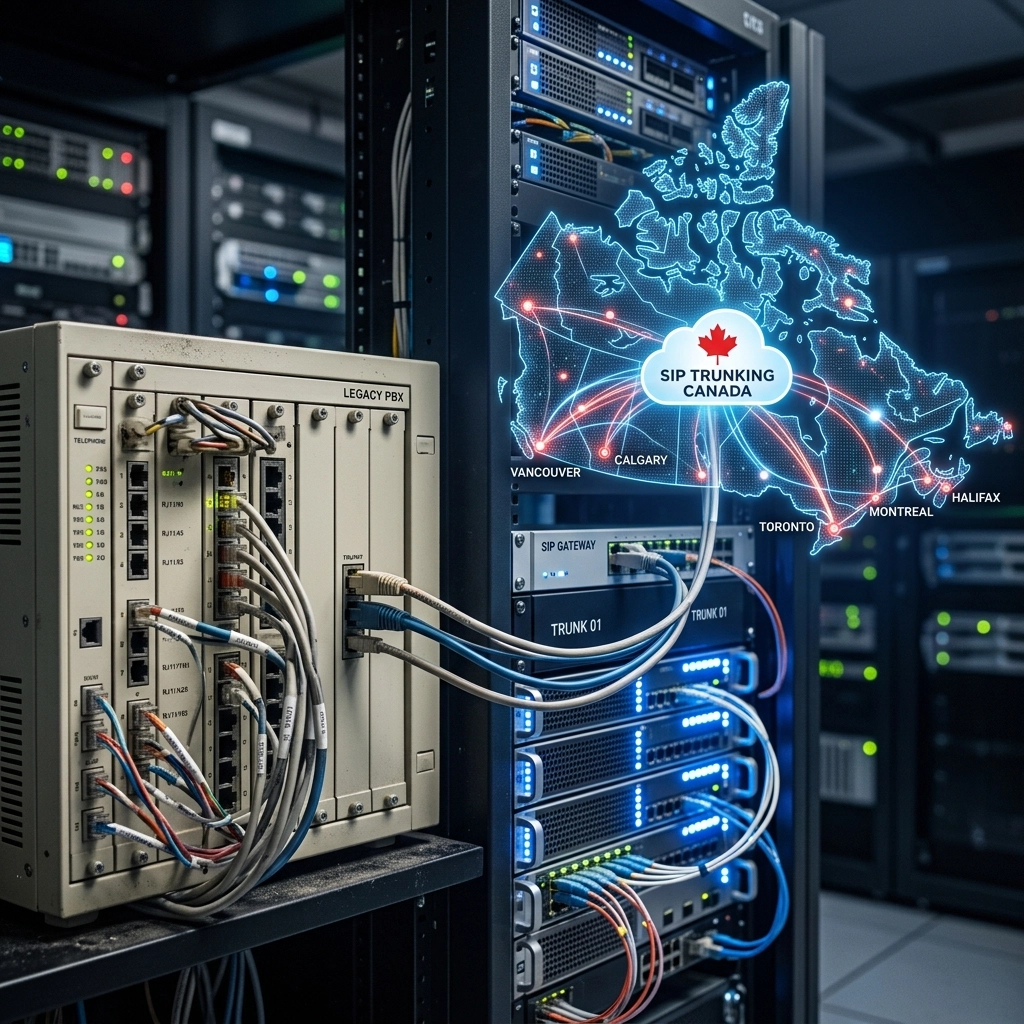
Choosing a business internet provider in Canada isn't just about finding the lowest price; it's about building a foundation for your digital tools. Whether you are implementing SIP trunking or moving your entire office to the cloud, your internet connection will determine your success.

By focusing on fiber-to-the-premises, demanding a strong SLA, and ensuring your internal structured cabling services are up to par, you can eliminate the connectivity "headaches" that plague so many small businesses.
If you're unsure how your current internet speed will handle a transition to business voip canada, it’s always a good idea to consult with a telecommunications expert who can run a network assessment before you sign a long-term contract. After all, the best internet provider is the one you never have to think about.