
For many small business owners in Canada, the monthly telecommunications bill is a source of constant frustration. Whether you are running a boutique agency in Toronto or a manufacturing plant in Calgary, the costs of traditional landlines, maintenance fees, and long-distance charges can eat into your margins faster than almost any other utility.
You have likely heard the marketing claims: "Switch to VoIP and save 40%!" But is that a realistic figure for a Canadian business, or is it just corporate hyperbole?
The short answer is yes: and often, the savings are even higher. However, achieving those numbers requires understanding exactly how business voip canada works and where the "hidden" costs of legacy systems are actually buried.
In this guide, we will break down the math, look at the technology behind a cloud pbx canada setup, and help you determine if making the switch is the right financial move for your organization.
Why are Traditional Phone Systems So Expensive?
To understand the savings, we first have to look at the problem. Traditional PSTN (Public Switched Telephone Network) systems rely on physical copper wires. In Canada, maintaining this aging infrastructure is expensive, and those costs are passed directly to the consumer.
If you are using a legacy PBX (Private Branch Exchange), you are likely paying for:
- Physical Line Rentals: You pay for every single "trunk" coming into your building, regardless of how often it’s used.
- Hardware Maintenance: When your on-premise PBX box fails, you need an expensive technician to visit the site.
- Proprietary Equipment: Legacy systems often lock you into specific hardware that is difficult to upgrade or replace.
- Long Distance: Despite living in a global economy, traditional carriers still charge a premium for calls outside your local area code.

The Math Behind the 40% Savings
When we talk about a 40% reduction in costs, we aren't just looking at the monthly subscription fee. The savings come from a combination of operational, capital, and usage expenses.
1. Monthly Subscription Costs
A typical landline for a business in Canada can cost anywhere from $50 to $100 per line once all taxes and "system access fees" are added. In contrast, business voip canada plans usually start between $15 and $40 per user. This immediate reduction in the base monthly rate accounts for a significant portion of the initial 40% savings.
2. Eliminating Long-Distance Charges
For businesses that deal with clients across provinces or in the United States, long-distance charges are often the biggest line item on the bill. VoIP routes calls over the internet. This means the geographic distance between the caller and the receiver is irrelevant to the cost of the data transmission. Research indicates that businesses can save up to 90% specifically on international calling costs by switching to a VoIP provider.
3. Reduced Capital Expenditure (CapEx)
With a cloud pbx canada solution, the "brains" of your phone system live in a secure data center, not in a closet in your office. This eliminates the need to buy a $5,000 to $10,000 PBX server. Your only hardware investment is the IP phones themselves, which are significantly more affordable and longer-lasting.
The Role of Cloud PBX in Modern Business
If VoIP is the engine that carries the voice data, a Cloud PBX is the dashboard that manages it. In the past, features like "Auto-Attendants" (Press 1 for Sales), call recording, and voicemail-to-email were expensive add-ons that required extra hardware modules.
Today, these features are standard. By moving to a cloud-hosted environment, Canadian small businesses gain access to enterprise-grade tools without the enterprise-grade price tag.
Key benefits of moving to the cloud include:
- Scalability: If you hire a new employee, you don't need to call a technician to "run a new line." You simply buy another handset, plug it in, and add a user in your online dashboard.
- Disaster Recovery: If your office loses power or experiences a flood, your phone system stays online. Calls can be automatically rerouted to mobile apps or other branch locations.
- Remote Work Capability: Since the system is internet-based, your team can take their office extension home with them, using either a physical IP phone or a software app on their laptop.

Hardware and Infrastructure: What Do You Actually Need?
One of the common misconceptions about switching to VoIP is that you have to "rip and replace" everything. While that isn't entirely true, having the right foundation is critical to ensuring your 40% savings aren't lost to technical troubleshooting later.
The Importance of Structured Cabling
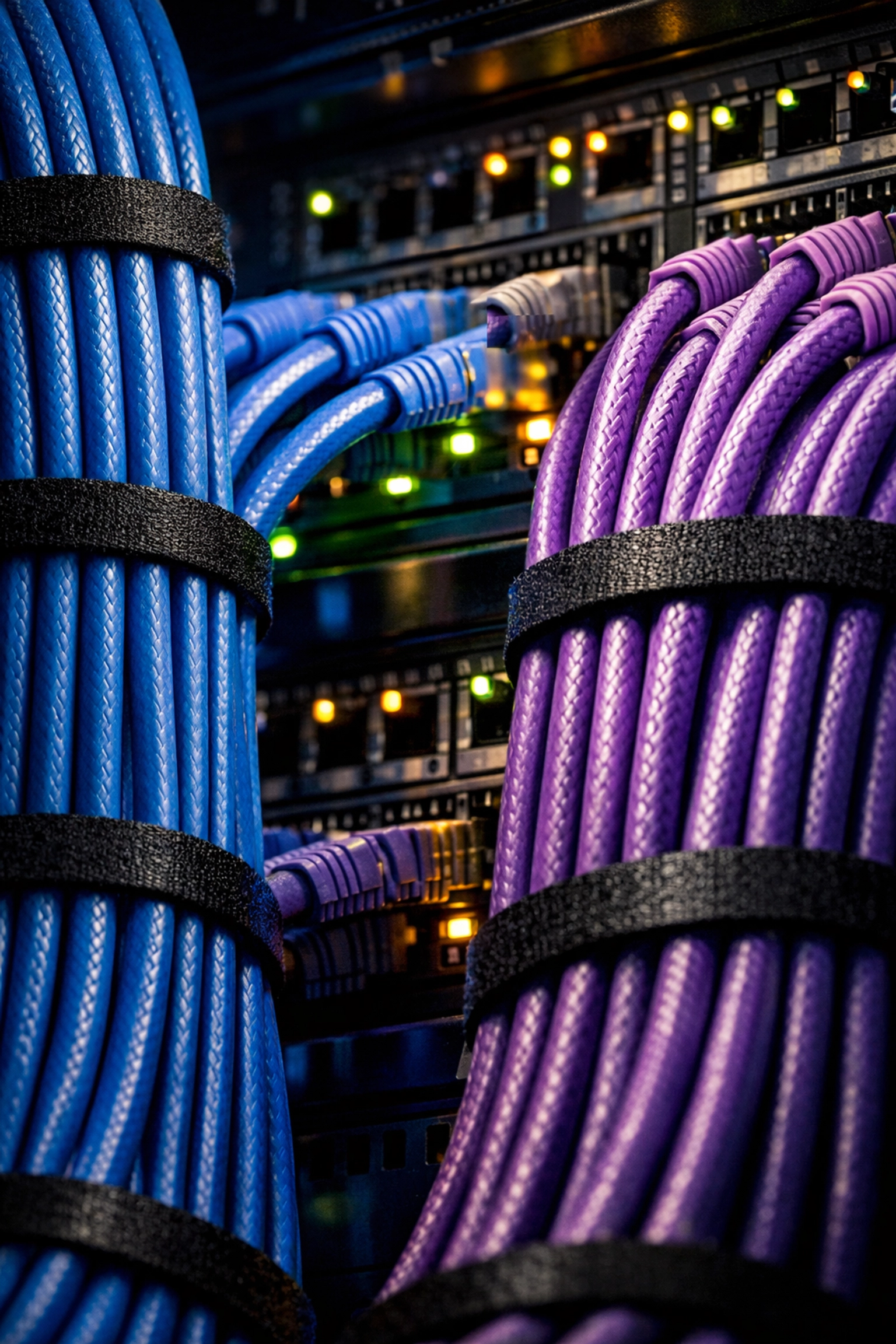
VoIP depends on your local area network (LAN). If your office wiring is twenty years old, you may experience dropped calls or "jitter." This is where structured cabling services come into play. Modern Cat6 cabling ensures that your voice data has a clean, fast path to your router. Investing in professional cabling once is far cheaper than paying an IT consultant to fix recurring connectivity issues over the next five years.
Choosing the Right IP Phones
You have a lot of flexibility when it comes to hardware. Many Canadian businesses opt for Grandstream devices because they offer a perfect balance of reliability and cost-effectiveness. Whether you need basic desk phones or high-end video phones for the boardroom, selecting hardware that supports Power over Ethernet (PoE) can further reduce costs by eliminating the need for messy power bricks at every desk.
Is VoIP Reliable in the Canadian Landscape?
A decade ago, small businesses were hesitant to switch to VoIP because of concerns over call quality. In 2026, those concerns have largely been mitigated by the ubiquity of high-speed business internet.
However, reliability is a two-way street. To ensure your system stays crystal clear, consider these three factors:
- Bandwidth Management: Ensure your router supports Quality of Service (QoS), which prioritizes voice traffic over regular web browsing.
- Redundancy: Modern VoIP providers like Voiswitch use multiple data centers. If one node goes down, your traffic is instantly rerouted.
- 911 Services: In Canada, VoIP 911 works differently than traditional landlines. It is vital to understand 911-explained and follow 911 calling suggestions to ensure emergency services can always locate your business.
Comparing the Costs: A Quick Look
| Expense Category | Traditional Landline | Voiswitch Cloud PBX | Potential Savings |
|---|---|---|---|
| Monthly Line Fee | $65 – $95 per line | $15 – $40 per user | ~60% |
| Initial Hardware | $2,000 – $10,000 (PBX) | $100 – $300 (IP Phones) | ~80% |
| Long Distance | Per-minute rates apply | Often included or flat-rate | ~90% |
| Maintenance | $150+/visit + parts | Included in subscription | 100% |
| Features (IVR, Recording) | Paid add-ons | Standard features | Variable |
How to Start Your Transition
If you are ready to see if those 40% savings apply to your specific situation, the transition process is simpler than most people realize.
- Audit Your Current Bill: Look at how many lines you actually use and how much you spend on long distance.
- Evaluate Your Internet: Make sure your current connection can handle the additional voice traffic. You can check our business internet options if you need an upgrade.
- Port Your Numbers: You don't have to change your business phone number. The "porting" process allows you to move your existing Canadian numbers over to your new VoIP provider.
- Set Up Your Cloud PBX: Configure your call flows, greetings, and extensions through a user-friendly web portal.
- Connect Your Hardware: Plug in your IP phones and start making calls.
Final Thoughts: The ROI of Modernization
While the 40% savings figure is a powerful motivator, the real value of business voip canada lies in its flexibility. In a world where business environments change rapidly, having a phone system that can scale up, scale down, and move with your team is no longer a luxury: it’s a necessity.
By eliminating the heavy iron of legacy PBX systems and moving to a cloud pbx canada model, you aren't just saving money today; you are future-proofing your business for whatever comes next.
If you have questions about how to implement these changes or want a detailed quote tailored to your specific office needs, we invite you to browse our FAQ or contact us directly. At Voiswitch, we help Canadian businesses navigate the complexities of modern telecommunications so they can focus on what they do best: growing their business.