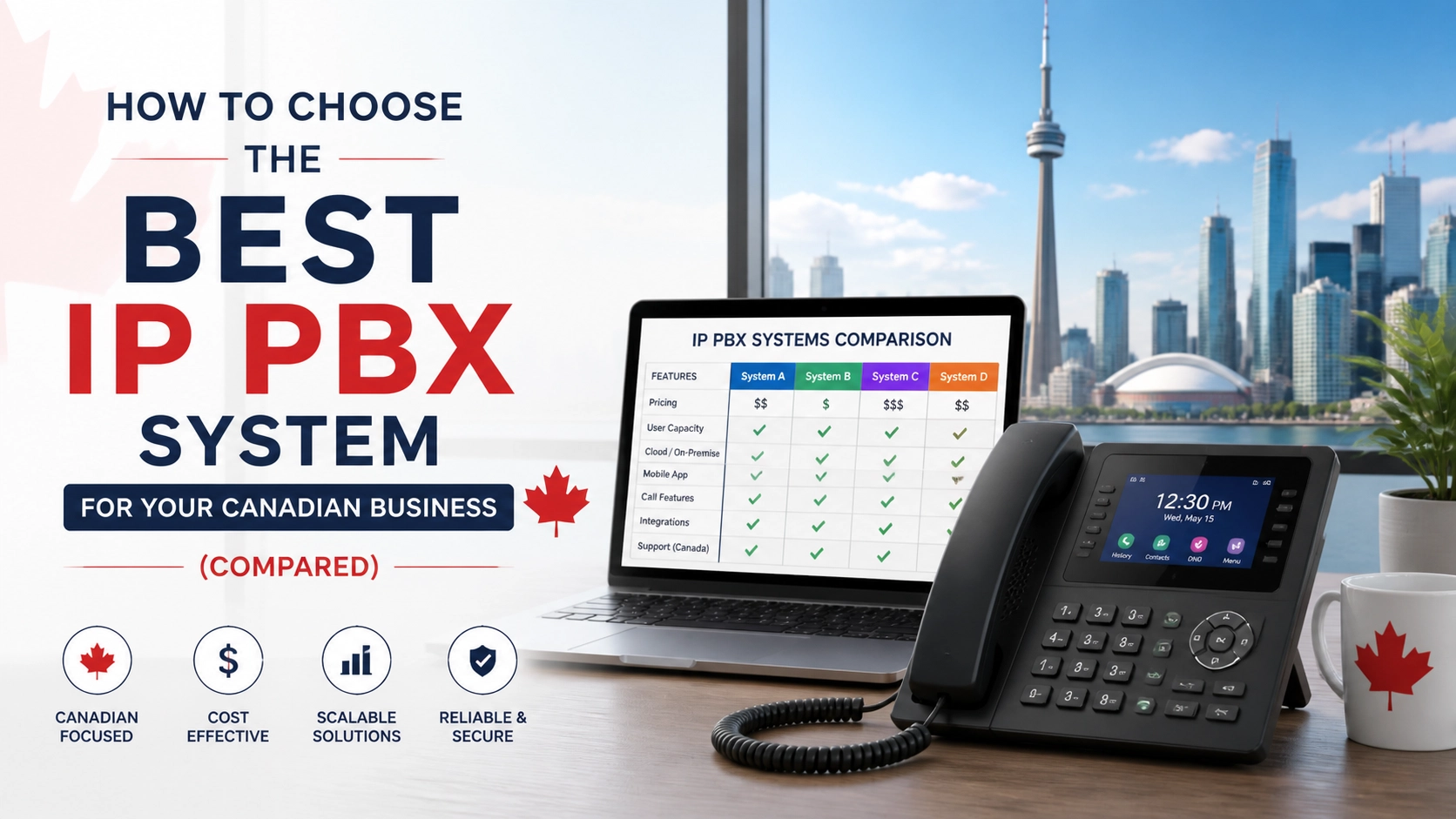
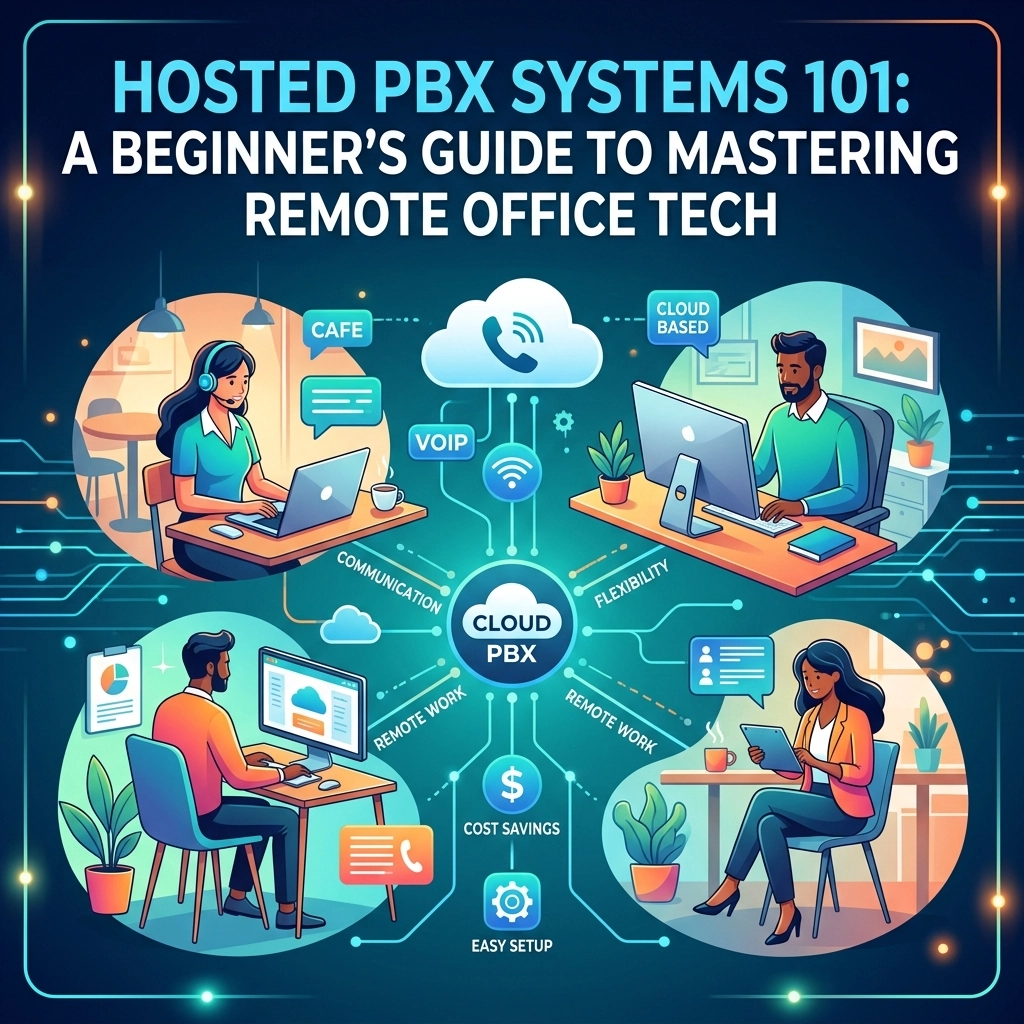
In the modern Canadian business landscape, communication is no longer just about having a dial tone. It is the central nervous system of your operations. Whether you are managing a law firm in Toronto, a manufacturing plant in Windsor, or a growing tech startup in Vancouver, the way you connect with your team and your customers dictates your growth.
However, many business owners approach communication solutions backward. They look at the latest gadget or the cheapest monthly plan before understanding the foundation of their own needs. This leads to dropped calls, frustrated employees, and "solution" fatigue where tools end up creating more work than they save.
If you are looking to overhaul your system, this is your quick-start guide. But before you buy a single IP phone or sign a service contract, there is one critical step you must take.
The "Do This First" Step: The Comprehensive Communication Audit
The biggest mistake is assuming that every business needs the same setup. A 50-person call center has fundamentally different requirements than a boutique real estate agency. Before looking at software, you must audit your current "pain points" and your physical environment.
1. Identify Your Primary Challenge
Are you struggling with internal collaboration, or is your customer support line constantly overwhelmed?
- Internal Collaboration: If your team is remote or hybrid, you need a solution focused on UCaaS (Unified Communications as a Service) that prioritizes mobile apps, video conferencing, and team chat.
- Customer Support: If you handle high call volumes, you need a CCaaS (Contact Center as a Service) approach with call queuing, interactive voice response (IVR), and detailed reporting.
2. Check Your Foundation: Structured Cabling
You can have the best cloud PBX Canada has to offer, but if your office wiring is a "spaghetti" mess of old Cat5 cables, your voice quality will suffer. High-definition voice and video require a stable, high-speed physical connection.
Professional structured cabling services are the literal backbone of your communication. Before upgrading your digital tools, ensure your physical infrastructure can handle the bandwidth. This includes evaluating your server room, your patch panels, and the quality of the ethernet runs to each desk.

Understanding the Landscape: Business VoIP Canada
Once you understand your needs and your wiring is solid, it is time to look at the technology. The standard for modern business is Voice over Internet Protocol (VoIP). Unlike traditional landlines that rely on copper wires and the "Phone Company" of the 1990s, business VoIP Canada services run over your internet connection.
Why VoIP is Non-Negotiable
The transition from legacy systems to VoIP isn't just a trend; it's a necessity. Legacy PSTN lines are being phased out, and the flexibility offered by VoIP is unmatched.
- Cost Savings: Lower monthly recurring costs and significantly cheaper long-distance rates.
- Portability: Take your office extension with you on your smartphone or laptop.
- Scalability: Adding a new employee takes minutes, not a technician visit to install new lines.
If you are just starting your research, we recommend checking out The Ultimate Guide to Business VoIP Canada for a deeper dive into the technical specifics.
Choosing Your Model: Cloud PBX vs. On-Premise
The next decision is where the "brains" of your phone system will live. In the past, every office had a heavy PBX box bolted to a wall in the utility closet. Today, you have choices.
The Rise of Cloud PBX Canada
For 90% of Canadian small and medium businesses, a cloud PBX Canada solution is the right move.
- Zero Maintenance: The provider handles all updates, security patches, and hardware maintenance.
- Redundancy: Since the system lives in secure data centers, your phones keep working (via mobile apps) even if your office loses power or internet.
- Low Upfront Costs: You don’t need to buy a $5,000 server. You simply pay a per-user monthly fee.
When to Consider On-Premise
If you are in a high-security industry or have massive internal call volumes that you want to keep strictly on your local network, an on-premise IP PBX might make sense. However, even these systems now integrate with the cloud for remote connectivity.

Hardware: Choosing the Right Tools for the Job
While many employees are happy using a headset and a "softphone" on their computer, many still prefer the tactile feel of a physical desk phone. Choosing the right hardware is about matching the device to the user's role.
- Executive Phones: High-resolution color screens, multiple line appearances, and Bluetooth integration.
- Receptionist Modules: Sidecars or expansion modules that allow the operator to see the status of every employee in the company at a glance. You can find specific expansion modules to help manage high call volumes.
- Standard Office Workers: Reliable IP phones from brands like Grandstream offer a perfect balance of features and price.
- Conference Rooms: Specialized 360-degree microphones and video capabilities are essential for hybrid meetings.
The Secret Ingredient: Integration
Communication tools shouldn't exist in a vacuum. The most successful businesses integrate their phone system with their other software.
Imagine a client calls your office. Before you even pick up the phone, a screen pops up on your computer showing the client's name, their last three orders, and their open support tickets. This is the power of CRM integration. By linking your cloud PBX Canada system to platforms like Salesforce, HubSpot, or Zoho, you transform a simple phone call into a data-driven interaction.
For more on how to set this up, read our guide on how to integrate Cloud PBX with your CRM.

Don't Forget the Internet
Since your entire communication suite now runs over the web, your internet connection is your single point of failure. We often see businesses buy top-tier VoIP packages but try to run them over a residential-grade cable connection.
In Canada, business-grade internet often comes with a Service Level Agreement (SLA). This guarantees uptime and provides faster repair times if things go wrong. Some businesses may even require dedicated fibre. If you aren't sure where you stand, take a look at our analysis of dedicated fibre for Canadian businesses.
Security: Protecting Your Conversations
As we move to digital systems, security becomes a priority. VoIP systems are computers, and like any computer, they can be targeted.
- Encryption: Ensure your provider uses SRTP (Secure Real-time Transport Protocol) to encrypt your voice data.
- Strong Passwords: Never leave default passwords on your IP phones or your PBX dashboard.
- Firewall Configuration: Proper networking setup ensures that your voice traffic is prioritized and protected from external threats.
Avoiding common security mistakes with business VoIP is essential to protecting your company's reputation and data.

Implementation Checklist: Your Path Forward
To wrap this up, here is your quick-start checklist to ensure you do it right the first time:
- Define Your Needs: Is this about saving money, enabling remote work, or improving customer service?
- Audit Your Infrastructure: Hire a professional to check your structured cabling services.
- Test Your Internet: Ensure you have enough upload bandwidth to handle simultaneous voice and video calls.
- Select a Deployment Model: Choose between the ease of cloud PBX Canada or the control of on-premise.
- Choose Your Hardware: Pick IP phones that match your team's daily workflows.
- Plan Your Integrations: Connect your phone system to your CRM or helpdesk software.
- Train Your Team: A system is only as good as the people using it. Ensure everyone knows how to transfer calls, set up voicemails, and use the mobile app.
Conclusion
Upgrading your business communication isn't just about buying new "stuff." It’s about building a framework that allows your team to work from anywhere, collaborate without friction, and provide a professional experience to every customer who dials your number.
By starting with a clear audit and ensuring your physical cabling and internet are up to the task, you remove the "headaches" that plague poorly planned setups. Modern business VoIP Canada solutions are flexible, reliable, and more accessible than ever: but only if you lay the groundwork first.
Ready to take the first step? Whether you need a full infrastructure audit or a demo of the latest cloud platform, Voiswitch is here to guide you through the process. Let's build a communication system that actually works for you.